Discover why most cold visitors leave in under 5 seconds.
Anita Valentinova
Published
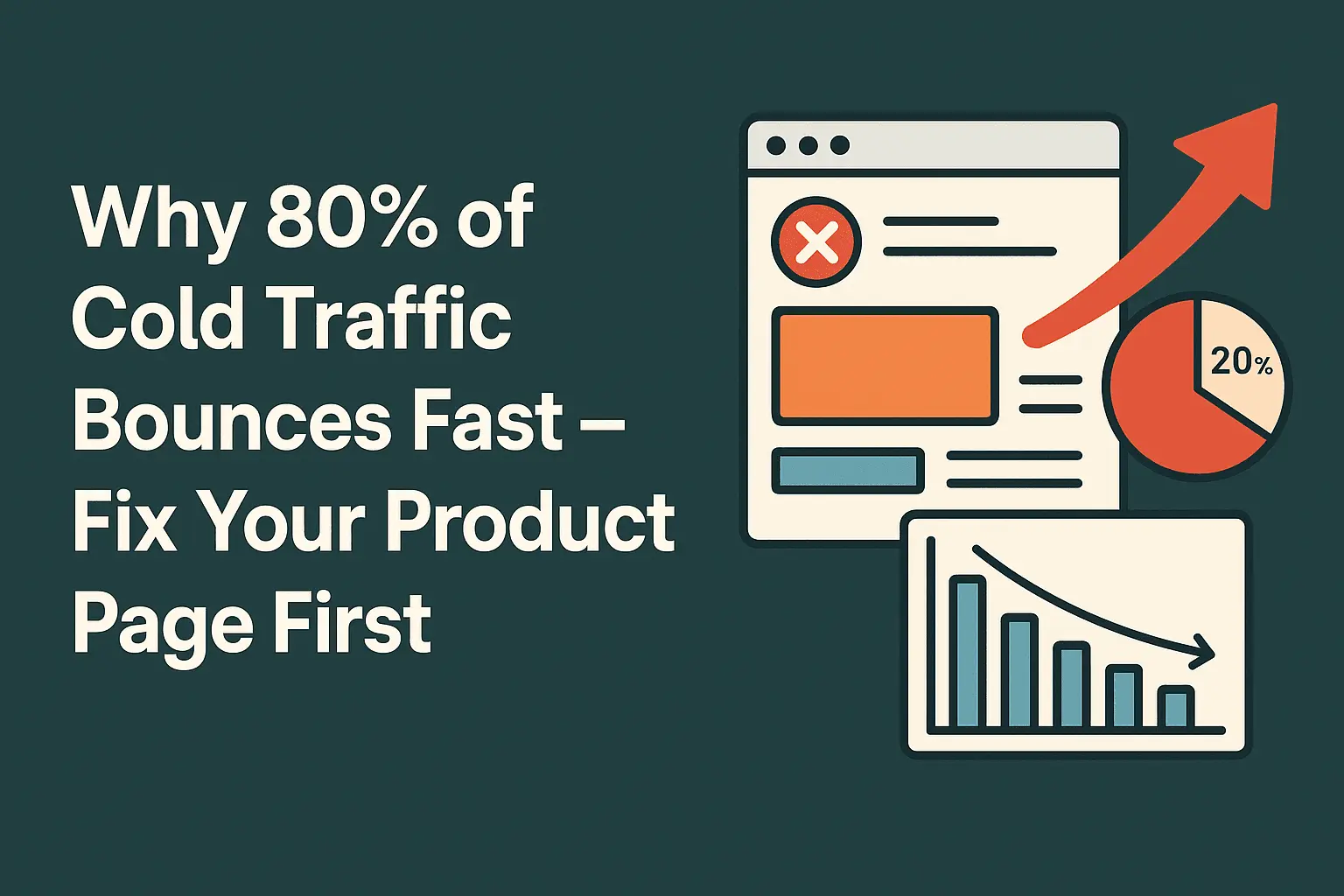
It's a story that echoes across marketing groups, Reddit threads, and social media feeds:
"We’re getting tons of clicks from our Facebook ads, but no one’s buying."
"Our CTR is through the roof, but conversions? Zero."
"Thousands of people visit our site then bounce within seconds."
If you're running paid ad campaigns, this scenario probably feels all too familiar. You’ve crafted compelling ads, invested real money, and succeeded in driving traffic. On the surface, everything’s working. But behind the scenes, the results just aren’t there. No signups. No sales. Just an expensive stream of empty clicks.
The problem? It’s not your ads. It’s what happens after the click.
When a cold visitor lands on your product or landing page, you have only a few seconds to make things clear, what you offer, why it matters, and why you're worth trusting. If that message isn't instantly obvious, they’ll bounce before you even realize they arrived.
That’s why it's time to stop obsessing over getting more traffic and start focusing on what visitors experience once they arrive. Your most urgent task isn't to improve ad performance. It’s to fix the first impression your site makes.
In this article, we’ll break down the core elements of a high-converting product page. You’ll learn exactly what to fix first so your hard-earned traffic doesn’t go to waste and how to finally turn those clicks into customers.
You've got Google Ads running, bringing in clicks, but your sales aren't following. It's a common, frustrating problem. The truth is, the issue often starts the very moment a visitor lands on your page in the first five seconds.
In that tiny window, your page has to answer three crucial questions for a new visitor, and answer them fast:
What is this? (Is what you're offering clear?)
Why should I care? (What's in it for them?)
Can I trust it? (Do you seem reliable?)
If any of these questions are unclear, even for a second, your visitor will leave. It's that simple.
The most impactful place to begin fixing this is the hero section, the top part of your page that's visible without scrolling. By rewriting and restructuring this area, you can make your offer more straightforward and better align it with your ad's promise.
Here are the key changes to prioritize:
If your product is genuinely good and the traffic from your ads is relevant, a lack of clarity and urgency in this top section is usually the main culprit, not your price, your offer, or even the ads themselves.
Once your hero section is optimized, you can then dig deeper. The next step is to analyze your entire user journey to find any "friction points" that might stop people from converting. This means looking at every step and improving the smaller actions (micro-conversions) that lead to a sale.
This is where your overall landing experience truly shapes performance.
Whether it's a Shopify product page, a lead funnel for a service business, or a digital product launch, the same pattern keeps showing up. Cold traffic arrives, then bounces within the first 5 to 15 seconds.
This happens because the page doesn’t clearly communicate what’s being offered, why it matters, or what the visitor should do next.
One of the biggest mistakes in designing for conversions is treating your landing page like it's a sales pitch for someone who's already deeply interested. Most cold visitors are far from ready to commit. They're curious, easily distracted, and will quickly leave if anything feels off.
That's why the most effective first fix for conversions is consistently the same: optimize the section above the fold.
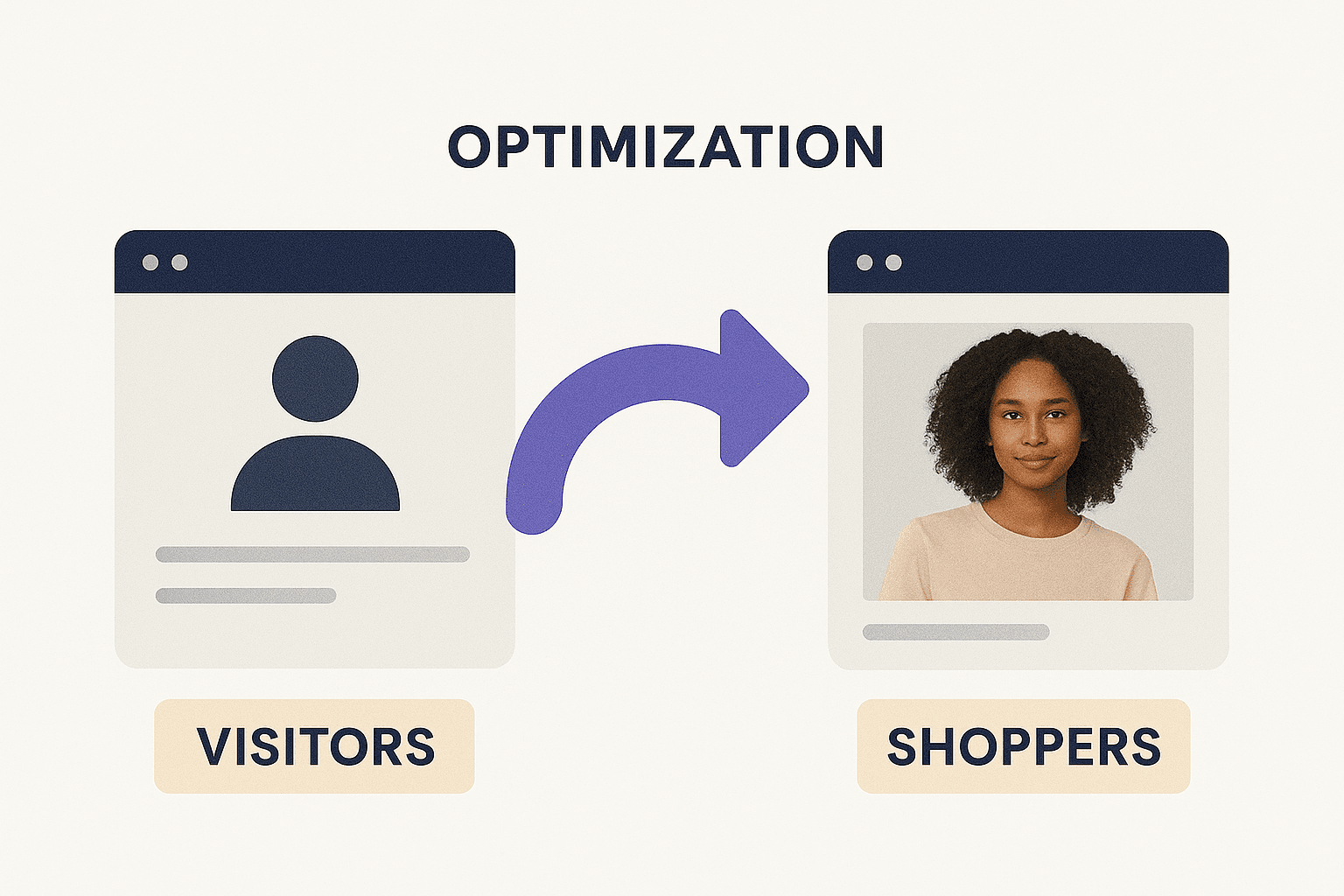
Before they even scroll, every visitor should immediately understand:
To make this crystal clear, the very top of your page should include:
These straightforward changes often deliver better results than complex technical tweaks or lengthy A/B tests. In many cases, you can achieve significant gains without needing heatmaps, analytics dashboards, or weeks of data collection.
What you need is an experienced outside perspective, someone who understands conversion psychology and can quickly pinpoint what's stopping users from taking action.
When someone clicks on your paid ad, especially a cold user, they arrive with minimal context. They aren't in research mode, and they're not reading carefully; they're scanning. The first few seconds determine whether they stay or leave.
If your landing or product page doesn't quickly answer these three critical questions, they'll leave, often without even scrolling:
- What is this?
- Why should I care?
- Can I trust this?
This pattern shows up across many industries, and the fixes often follow a similar path. Here are four real-world examples:
An immigration services site was driving Facebook traffic to a generic headline: "Secure Your Future." Users couldn't tell what the offer was or how to begin. After rewriting the hero section to say "Flat-Fee Immigration Services for Families Moving to Canada," bounce rates dropped by 28% and qualified leads increased within one week.
A telehealth company promoted hormone balance tests through Meta ads. The landing page was long, visually cluttered, and featured vague calls to action (CTAs) like "Learn More." After simplifying the copy, adding trust badges, and making pricing clear, trial starts doubled.
For WriteStories, a digital storytelling platform for children, the original page buried key benefits below the fold. By moving proof points and trust elements into the first scroll such as parent reviews, free trial CTAs, and secure checkout language, conversion rates increased from 0.7% to 2.3%.
This client got solid click-through rates from Facebook ads, but most users left within seconds. The problem: no visible trust cues, unclear messaging, and no guided next step. After introducing urgency-based CTAs, tutor previews, and booking confidence elements, the funnel began generating consistent paid bookings from cold traffic.
These examples highlight a common thread: even strong ad campaigns fail when the landing experience lacks clarity, relevance, and trust within the first few seconds.
Are you seeing similar issues with your landing pages?
For any business running ads and struggling to convert traffic, the problem may not be the ad itself, but what happens immediately after the click. Whether it's a Shopify store, a service-based funnel, or a digital product launch, real conversion growth begins with a clear and compelling page experience.
Related posts:

You've confirmed the traffic is right and the journey works. This is how you find out what the page is actually missing.
A 1.5% conversion rate tells you almost nothing. The shape of the journey tells you everything.
When the acquisition is right but the page doesn't match what the visitor came for, you have an intent problem. Here's how to diagnose it.
 GrowthLens